Abra Malaga – Tunkiwasi Lodge

Abra Malaga – Tunkiwasi Lodge

Duration

2 Days

From

USD 600

Overview

The Journey, At a Glance

This 2-day tour will take you to explore Abra Malaga with its captivating birds for 600USD per person (min: 2 people)

Gallery

12 images

The Full Story

Abra Málaga and its Private Conservation Area are located in the Cusco region, in the province of La Convención, district of Huayopata, and are operated by PERU NATURE PHOTOGRAPHY. It is a mountain pass that connects different ecological zones between the Andes and the high jungle. It is a destination renowned for its high diversity of ecosystems and birds.

The area is characterized by its altitudinal range, from 2,200 to 4,400 meters above sea level, which allows for the presence of ecosystems such as cloud forest, Polylepis (queuña) forests, and high Andean zones near snow-capped peaks. It is an important area for the conservation of fragile habitats and endangered species of flora and fauna. Its main value lies in its biodiversity.

Incatambo is an emerging area within Abra Málaga, located in a setting of dry and humid forests. It is recognized for the presence of birds from different ecosystems, making it a new hotspot for birdwatching in Cusco. It is a place visited mainly for its value for nature photography and birdwatching tour in Peru.

01

Cusco – Abra Malaga – San Luis Cloud Forest – Tunkiwasi Lodge

We will pick you up from your hotel at 5:00 a.m. in private transportation and head towards Abra Málaga (4300 m). During the journey, we will make stops at strategic points for observing endemic birds and other elusive species. These species inhabit specific microclimates between the high mountains and the cloud forest.

The route crosses different ecological zones between Abra Málaga and the San Luis cloud forest (1800–4300 m). On this route, we will observe birds in their natural habitat, depending on weather conditions and the activity of the species. This day is focused on nature photography.

At the end of the birdwatching in a cloud forest, we will continue to Tunkiwasi Lodge (1800 m), where we will settle in for dinner. The transfer will take place in the afternoon after the birdwatching activities are completed. This concludes the first day of the itinerary.

Birds we could see on Day 1:

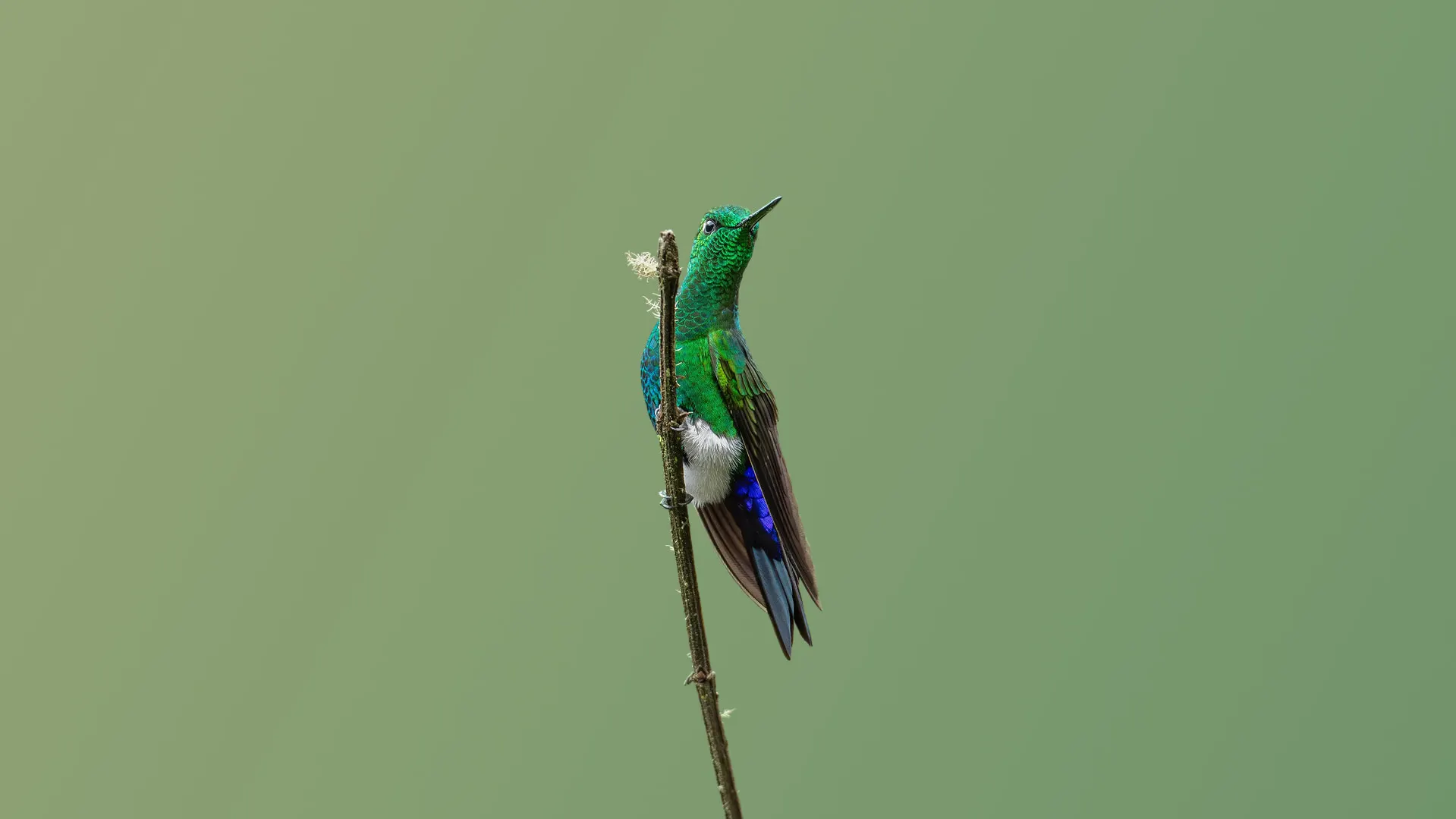
  • White-tufted Sunbeam
  • Chestnut-breasted Mountain Finch
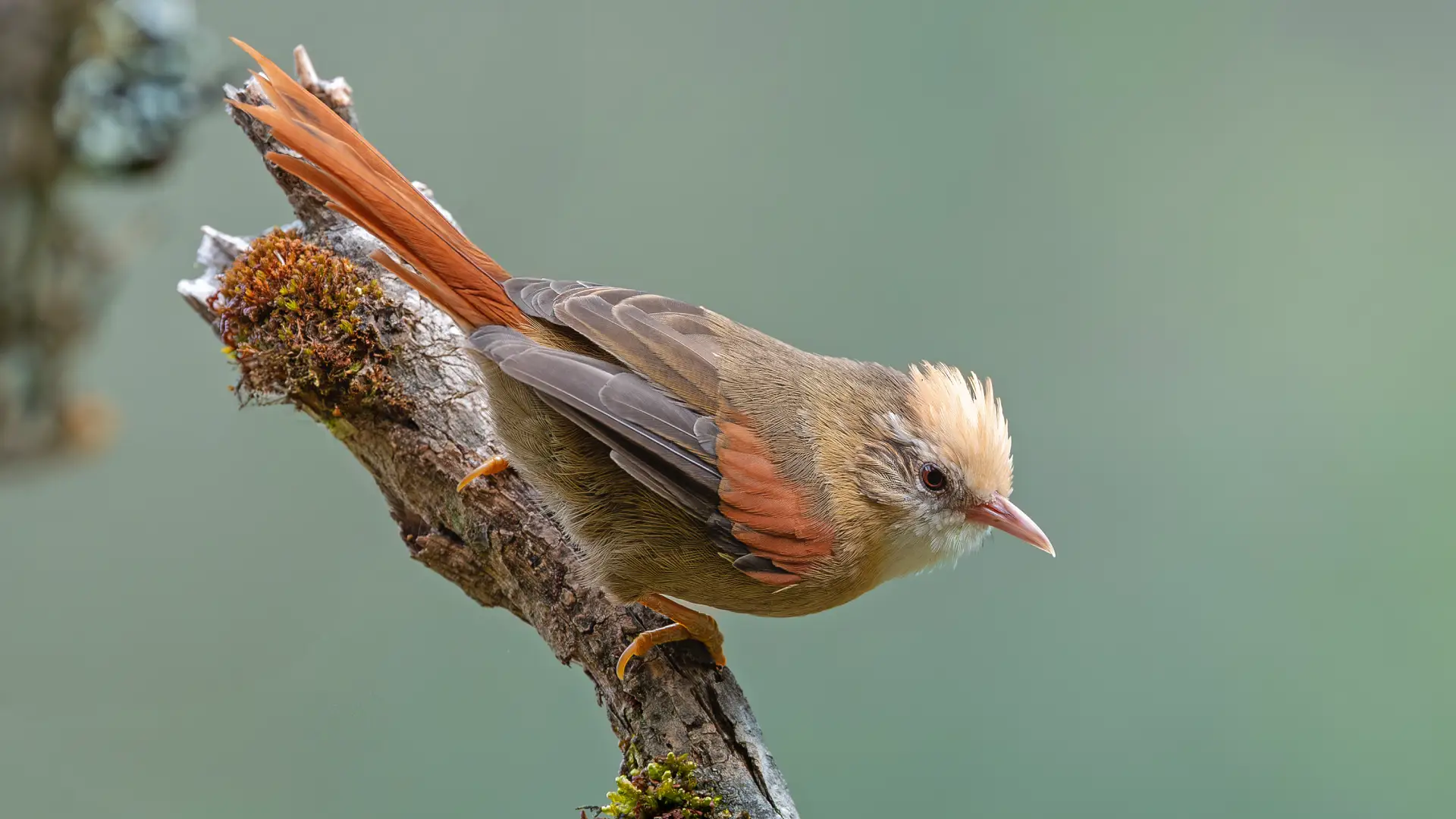
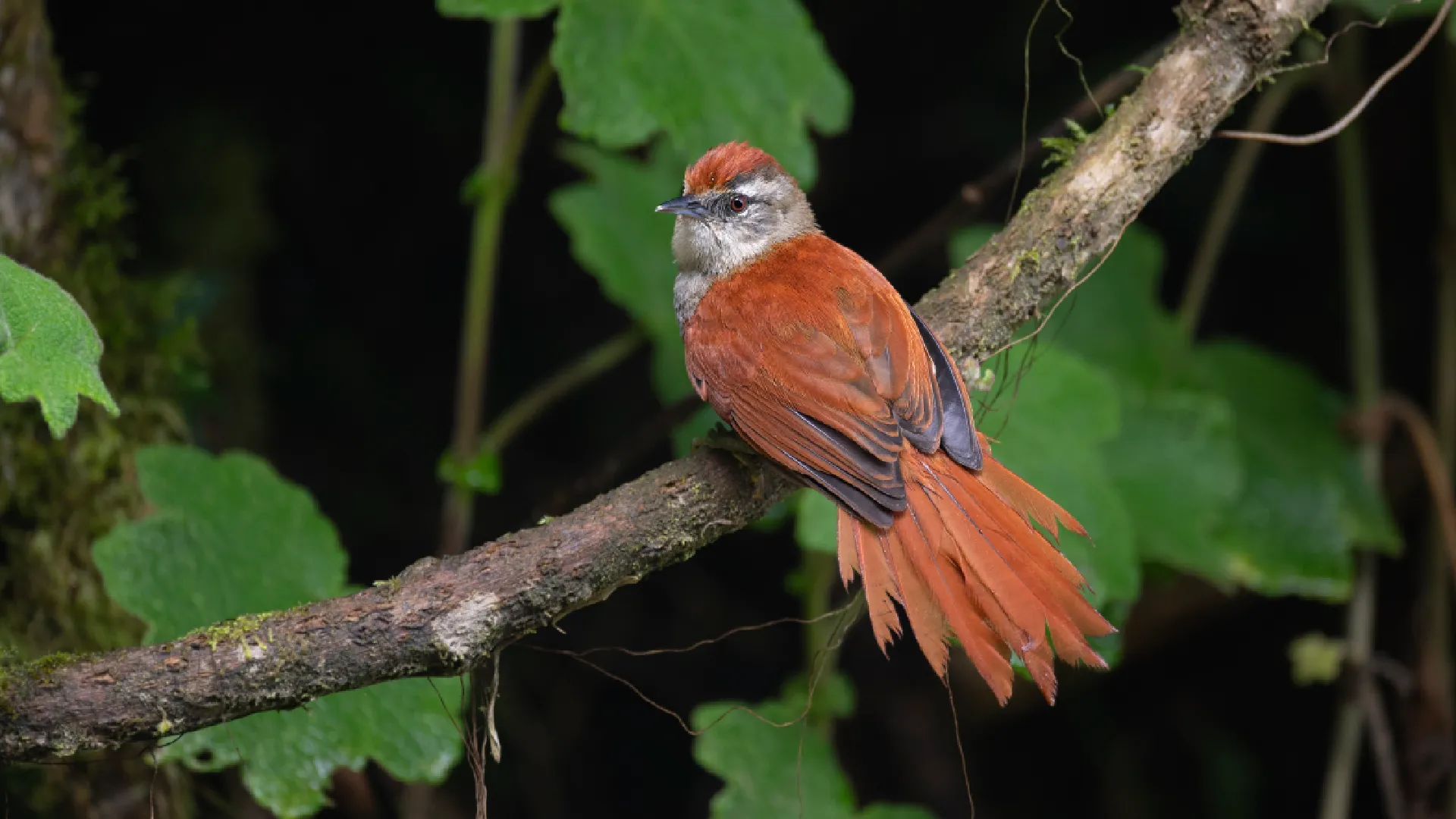
  • Creamy-crested Spinetail
  • Rusty-fronted Canastero
  • Eastern Mountaineer
  • White-browed Tit-Spinetail
  • Junín Canastero
  • Inca Wren
  • Marcapata Spinetail
  • Unstreaked Tit-Tyrant
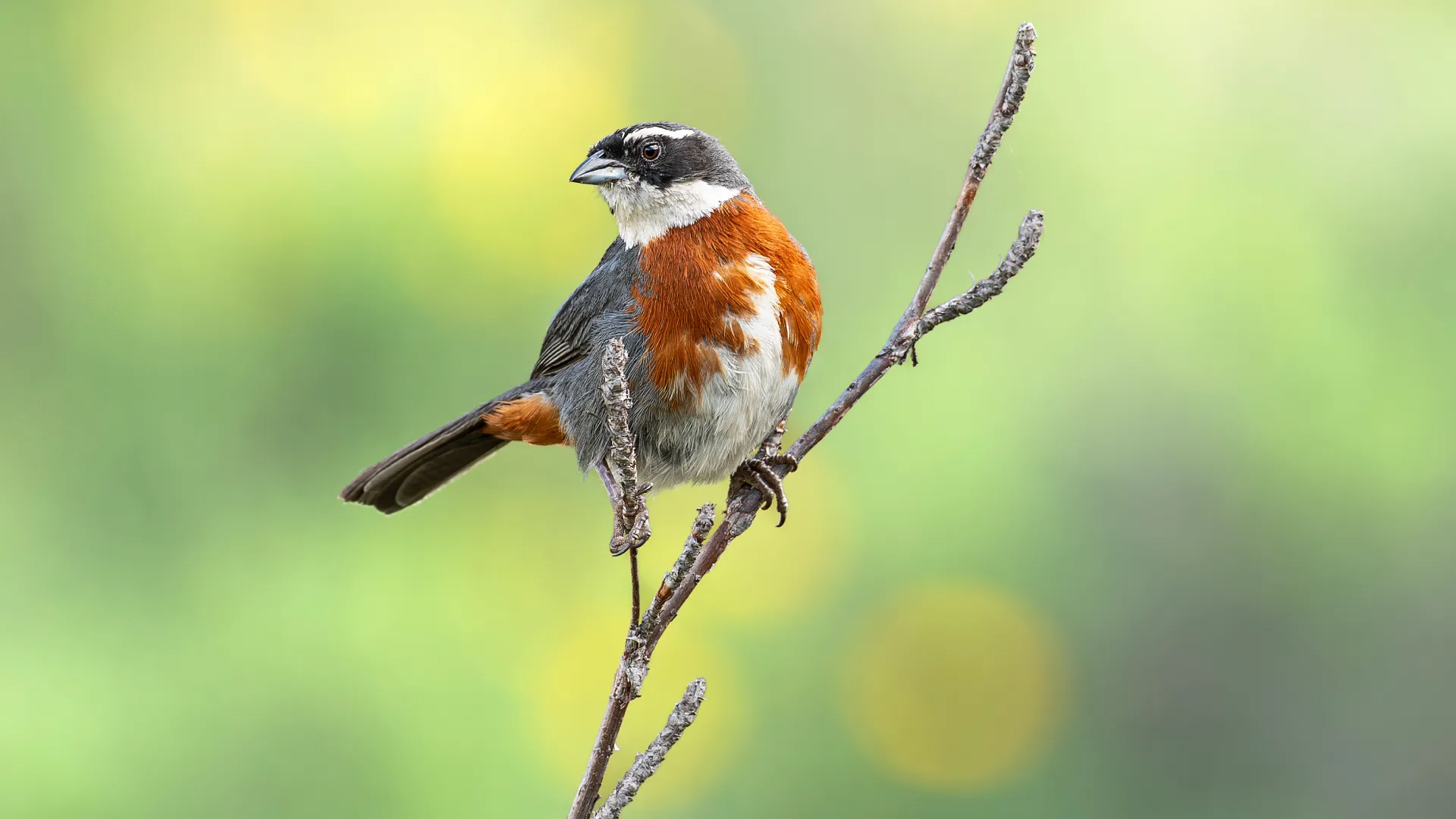
  • Cuzco Brush Finch
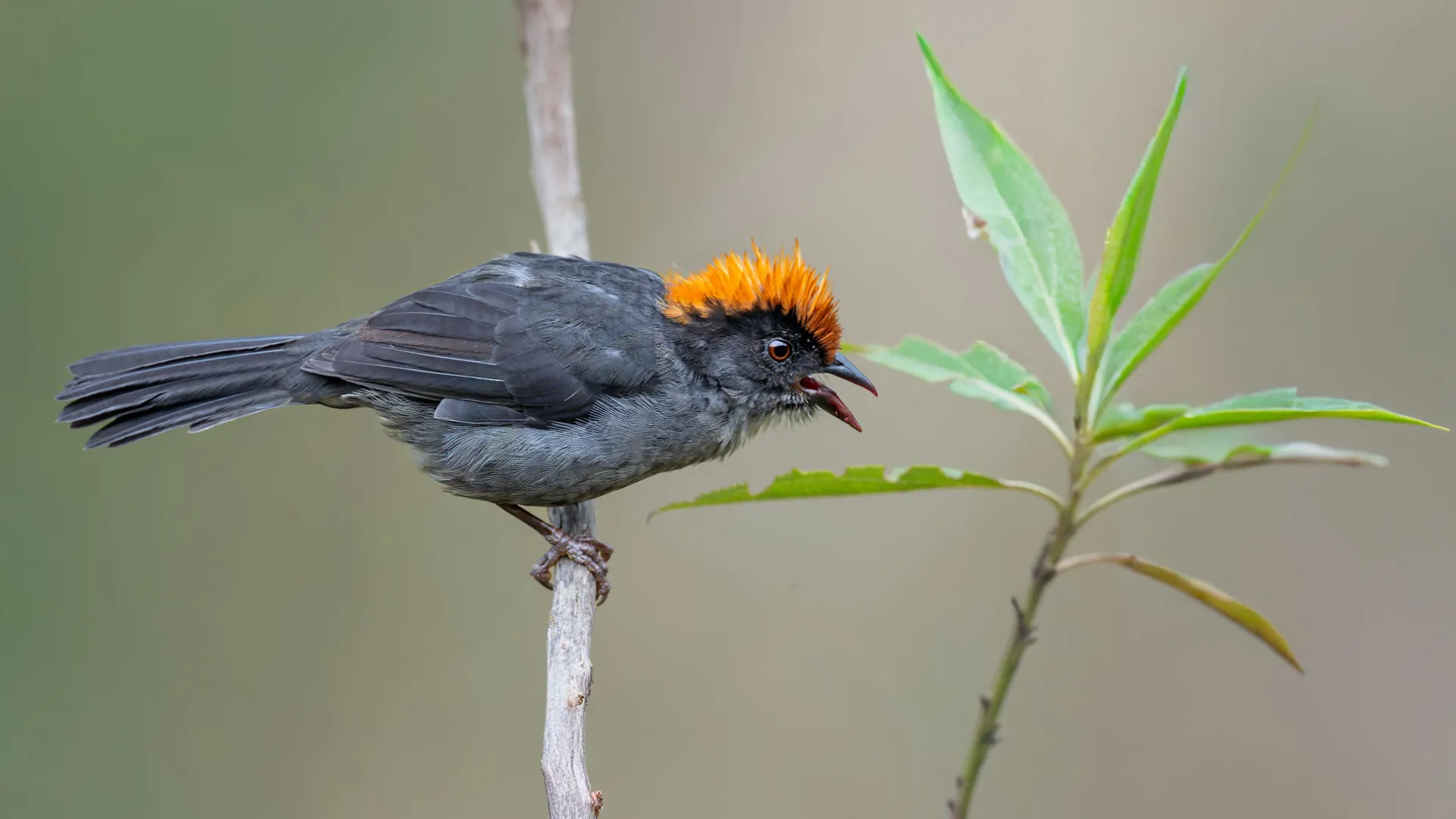
  • Parodi’s Hemispingus
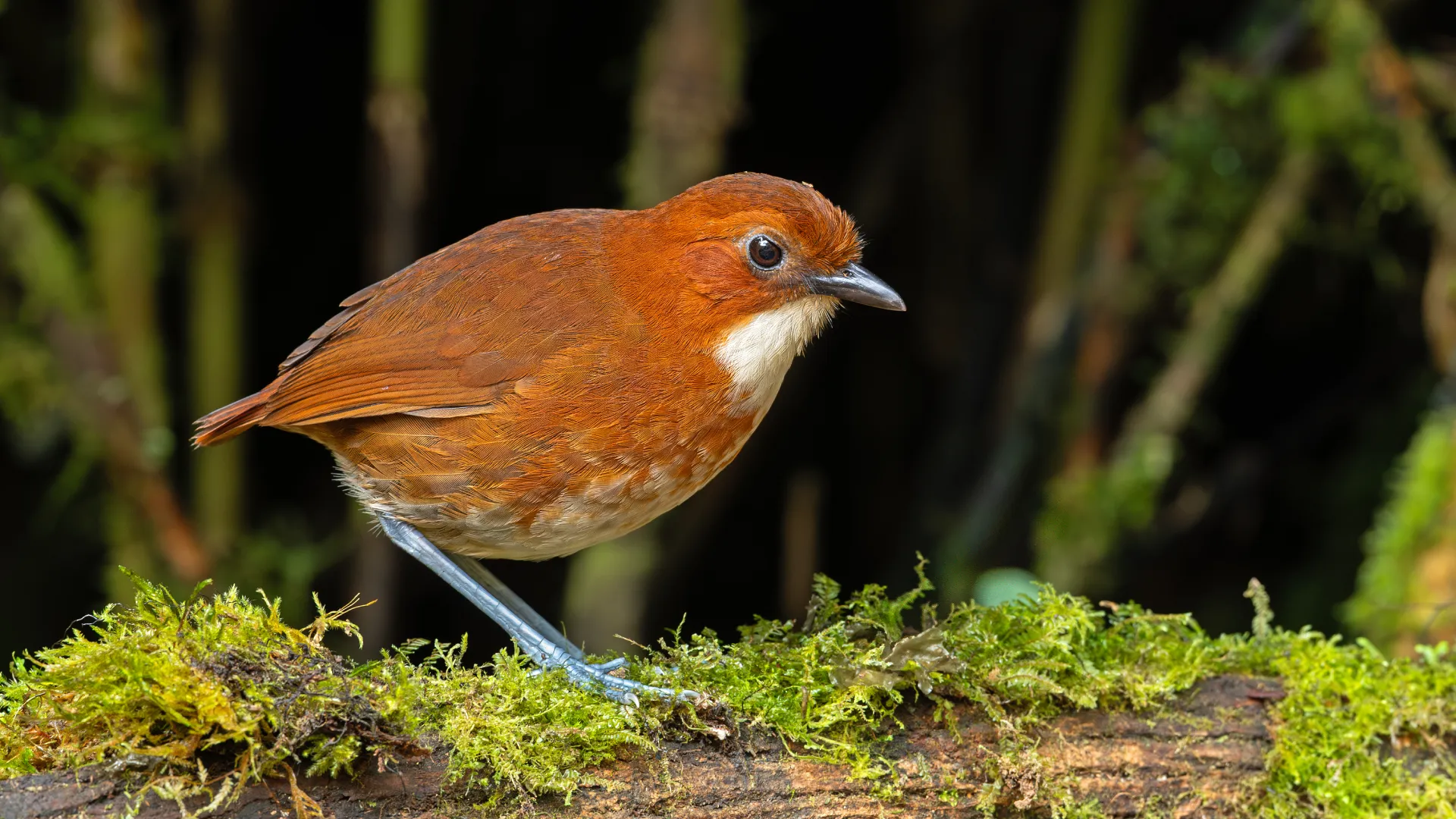
  • Red and White Antpitta
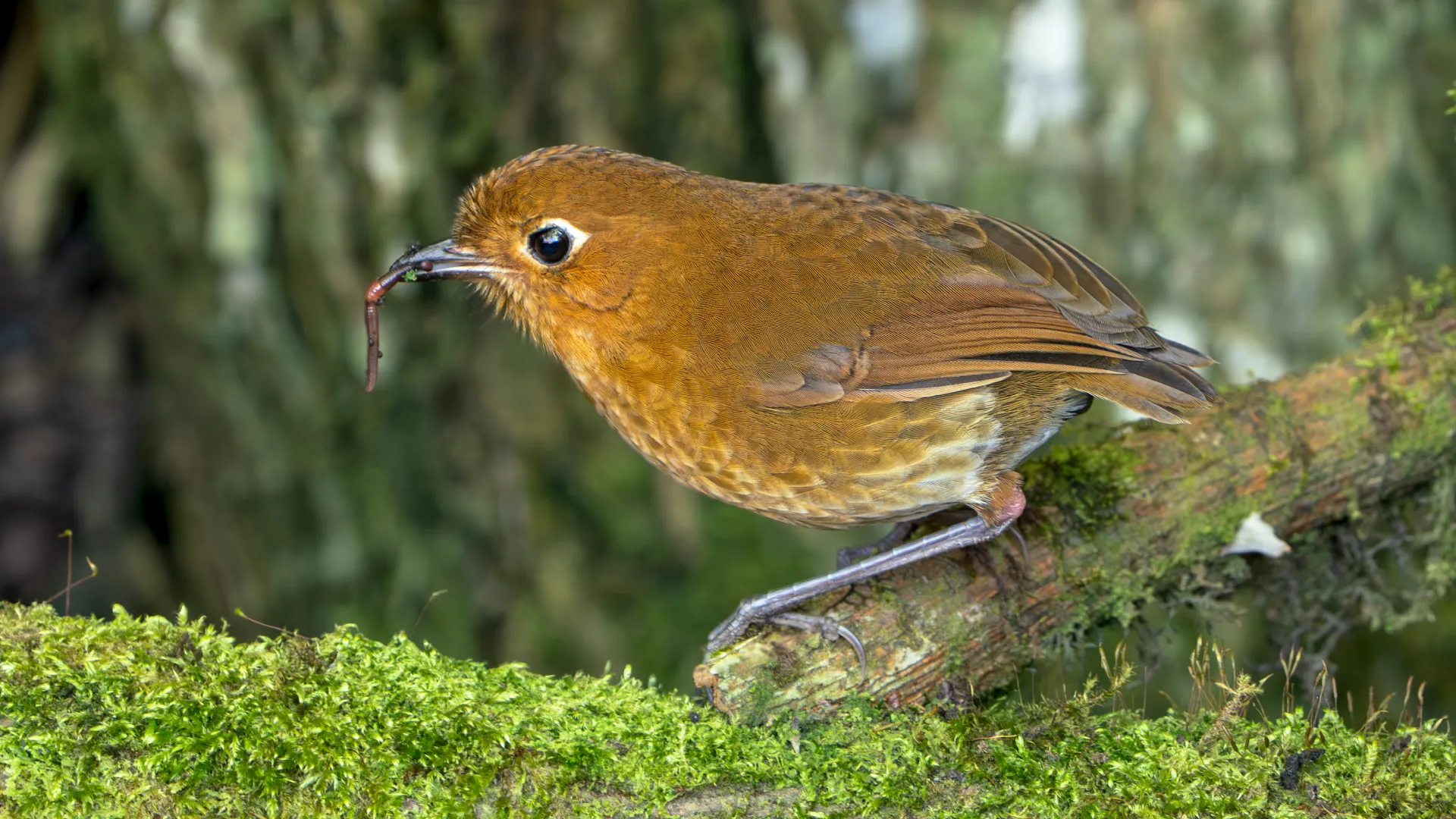
  • Urubamba Antpitta
  • Cuzco Star-frontlet
  • Coppery-naped Puffleg
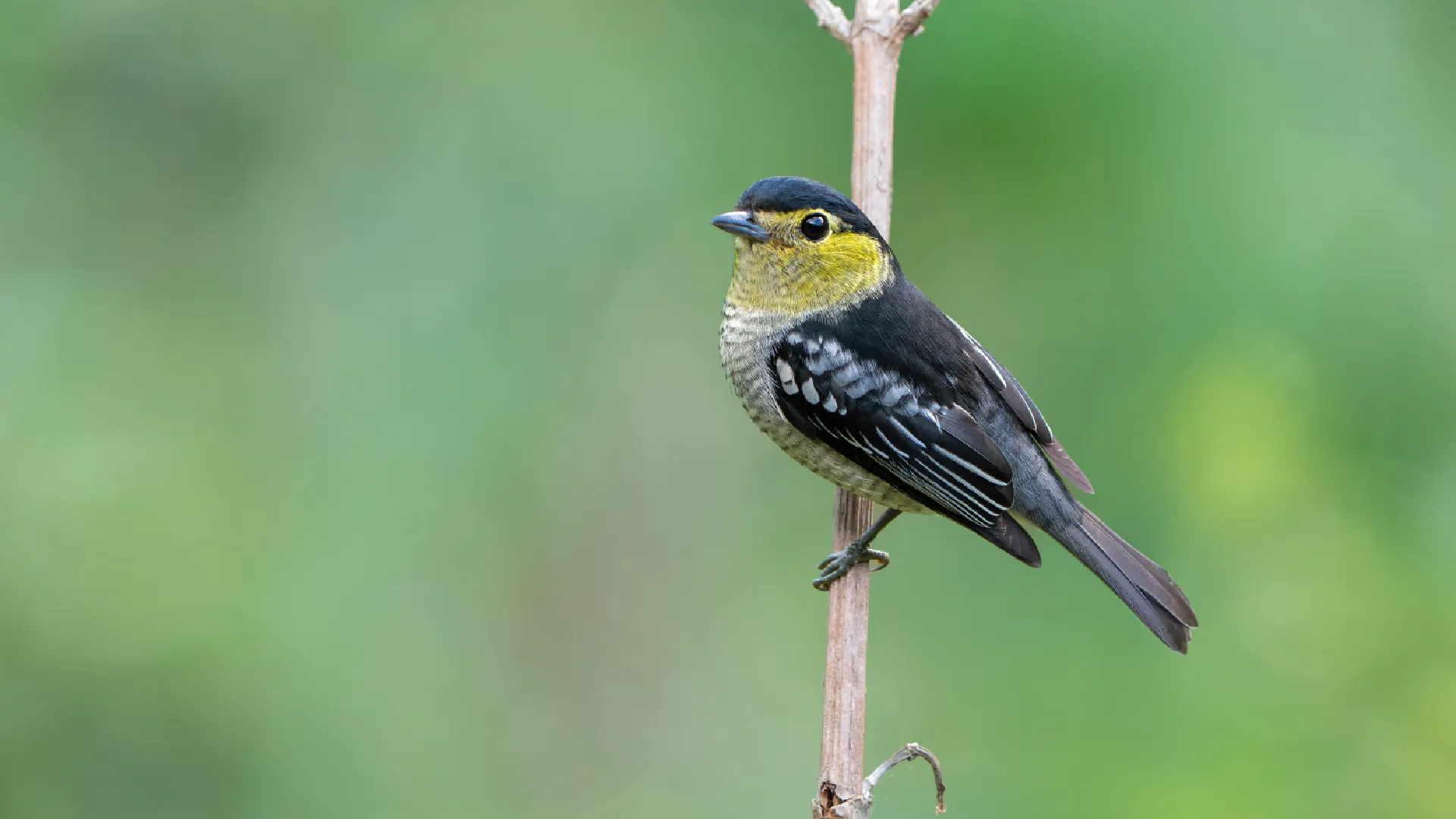
  • Tit-like Dacnis
  • Puna Thistletail
  • Blue-mantled Thornbill
  • Purple back Thornbill
  • Olivaceous Thornbill
  • Puna Tapaculo
  • Black Siskin
  • White wing Cinclodes
  • Puna Snipe
  • Gray breasted mountain tucan
  • Short-billed Pipit
  • White-winged Diuca-Finch
  • Tufted Tit-Tyrant
  • Red-Crested Cotinga, among others
Route: Cusco / Ollantaytambo – Abra Málaga – San Luis – Tunkiwasi Lodge
Distance traveled: ~152 km
Highest altitude: 4200 m
Lowest altitude: 1,800 m
Difficulty level: Moderate birdwatching drive with frequent stops
02

Tunkiwasi Lodge – Incatambo – Cusco

We started the day early at Tunkiwasi Lodge (1800 m), preparing our observation equipment and enjoying breakfast. During the morning, we went birdwatching in the area surrounding the lodge, searching for species native to the cloud forest. This session focused on nature photography.

The area offers a high diversity of birds in their natural habitat, taking advantage of the morning light conditions. The species recorded depend on the activity in the surrounding environment and the season. It's an ideal place to complete photographic records of the trip.

After the activity, we returned to the lodge for lunch. Then we boarded our transport back to Cusco (3400 m), concluding the itinerary.

Birds we could see on Day 2:

  • Green and White Hummingbird
  • Red-crested Finch
  • Blue-tailed Emerald
  • Bronzy Inca
  • White-lined Tanager
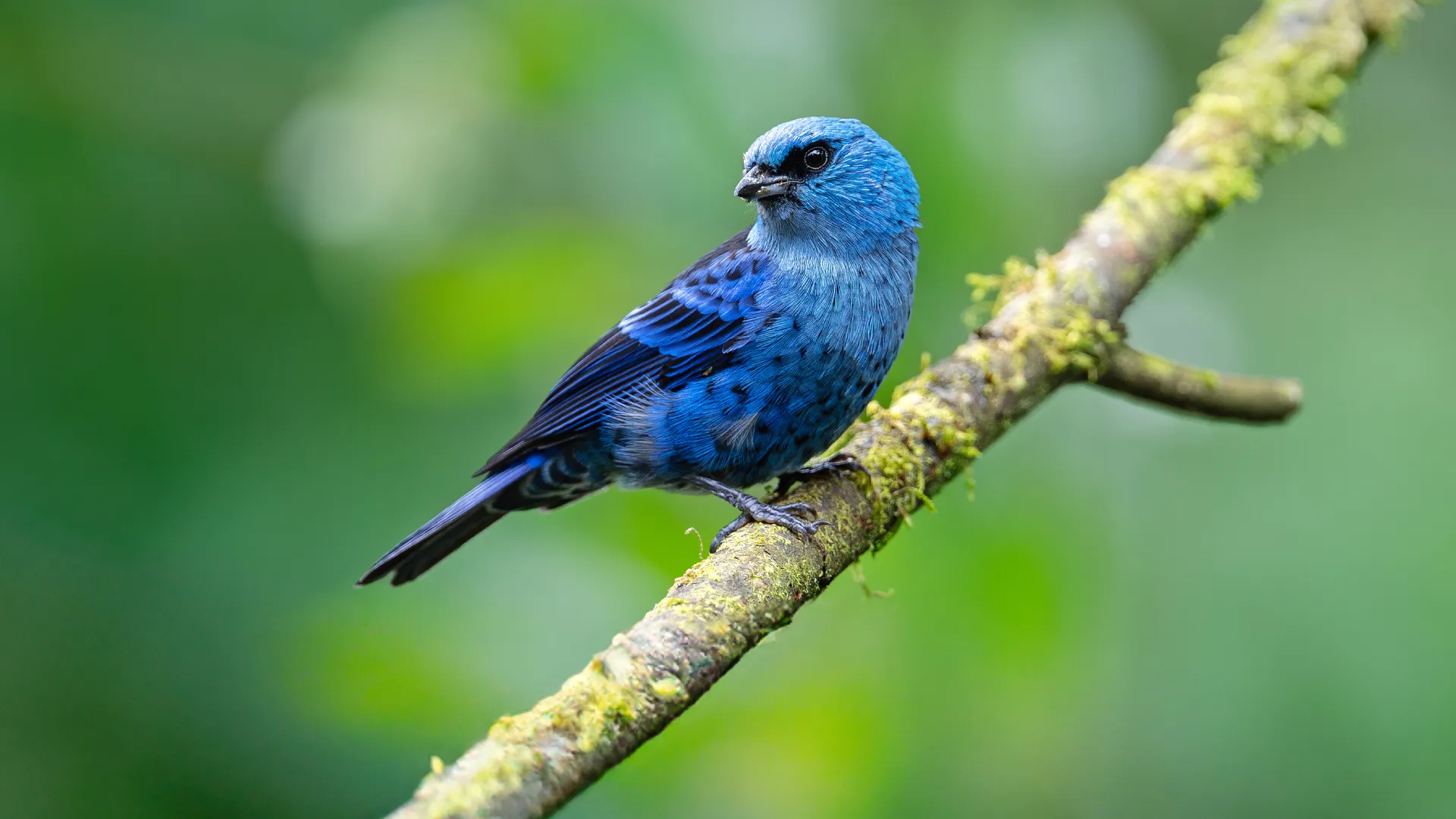
  • Silvery Tanager
  • Blue Dacnis
  • Speckled Chachalaca
  • Plumbeous Kite
  • Bananaquit
  • Palm Tanager
  • Blue-black Grassquit
  • Golden-headed Quetzal
  • Crimson-bellied Woodpecker
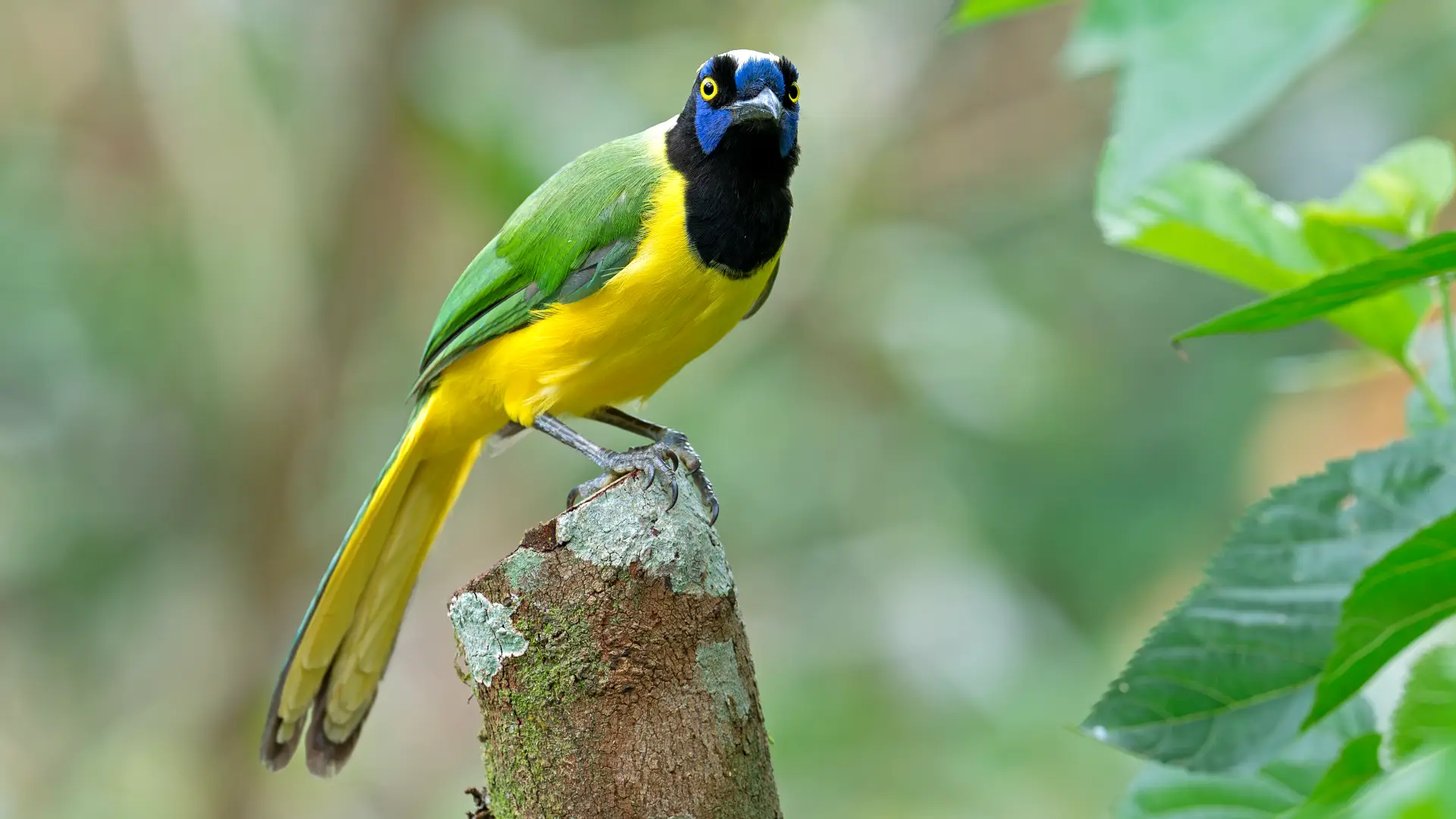
  • Inca Jay
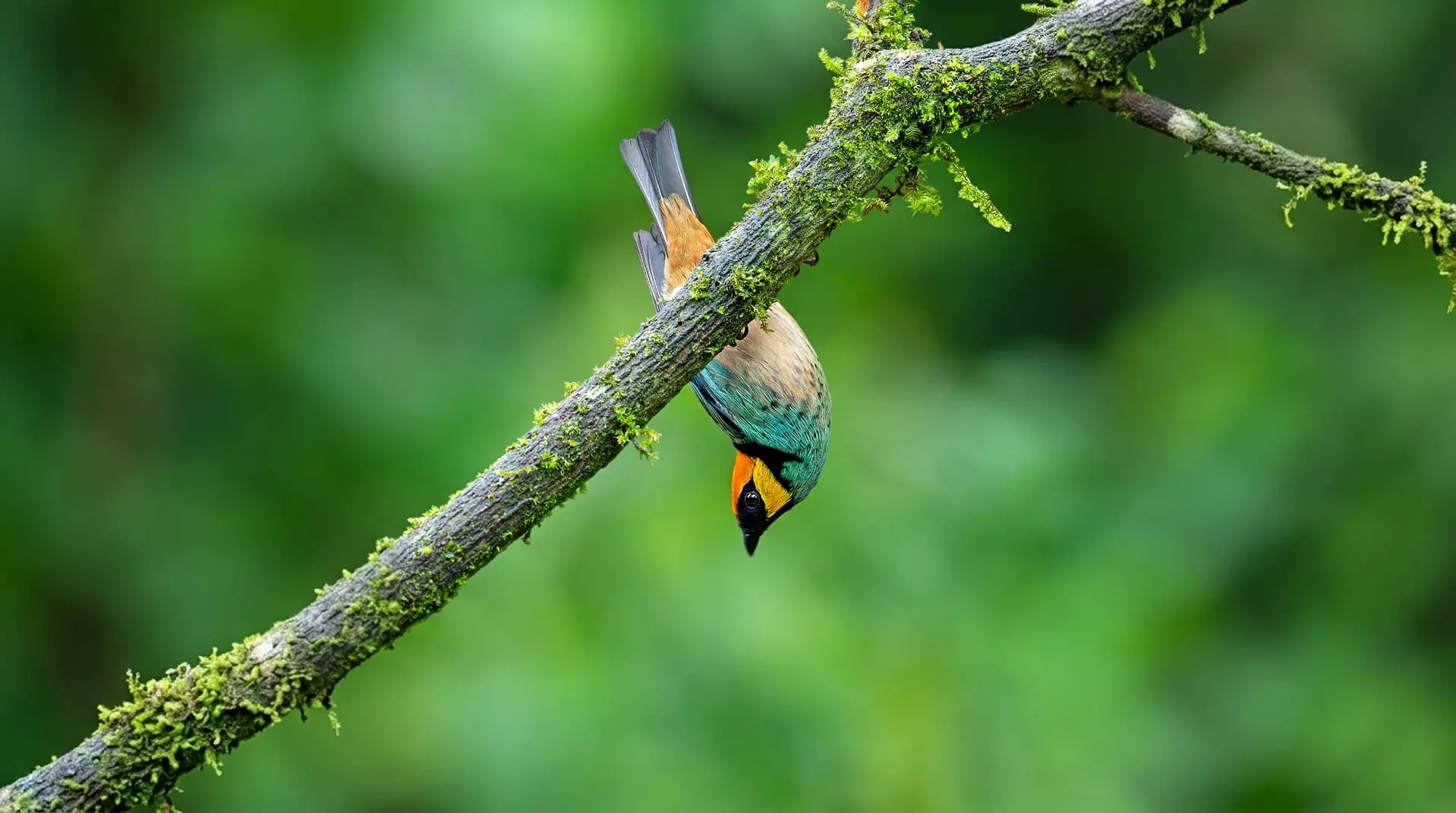
  • Golden-naped Tanager (Rusty-naped)
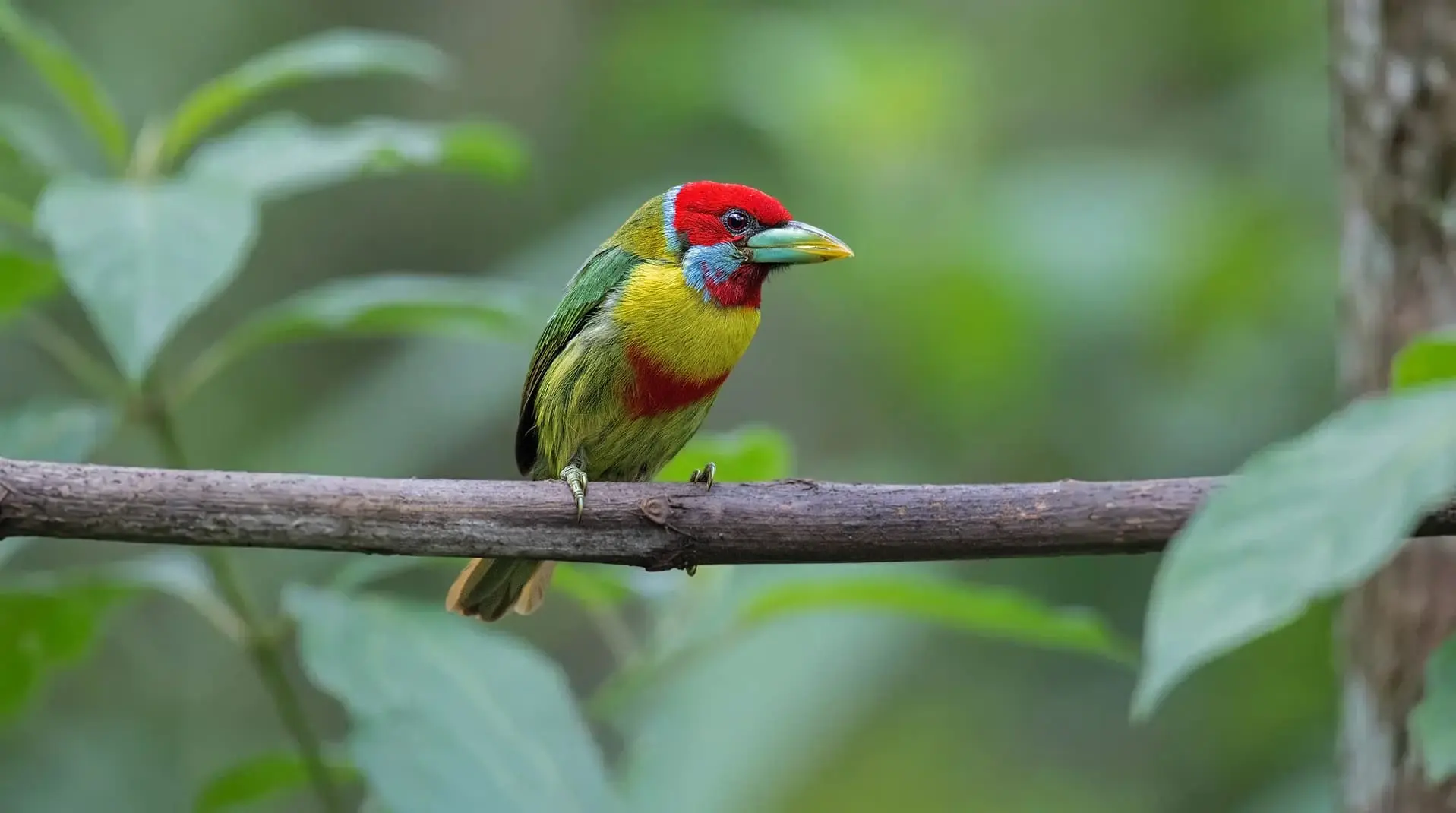
  • Versicolored Barbet (Blue mustached)
  • Andean Motmot
  • Andean Cock of the Rock
  • Masked Trogon
  • White-throated Quail-Dove
  • Brown Tinamou
  • Dusky-green Oropendola
  • Gould’s Inca
  • Speckled Hummingbird
  • Rufous-booted Racket-tail
Route: Tunkiwasi Lodge – Incatambo – Cusco
Distance traveled: ~152 km
Highest altitude: 4200 m
Lowest altitude: 1,800 m
Difficulty level: Easy birdwatching walks and photography sessions
FAQ

Questions, Answered

What kind of experience does this bird tour offer?

It\'s a high-diversity birdwatching tour that explores Abra Málaga and the San Luis cloud forest. It combines strategic stops and hikes to search for endemic and elusive species.

How many days does the tour last and how is it organized?

The birdwatching tour in peru lasts two days, departing from Cusco or Ollantaytambo. The first day is spent exploring Abra Málaga, and the second day is spent observing birds around the lodge before returning to Cusco.

How demanding is the tour?

The level is moderate, with short hikes and several stops for birdwatching. Some areas may be at a considerable altitude, but the pace is relaxed and adapted to the group.

What is the weather like during the Abra Málaga – Tunkiwasi Lodge tour?

The weather is variable, ranging from cool areas in Abra Málaga to more humid, semi-tropical environments in the cloud forest. There may be rain, fog, and rapid temperature changes throughout the day.

Is it possible to experience altitude sickness during the tour?

Yes, it\'s possible because the tour reaches altitudes of up to 4,400 meters above sea level. Therefore, it\'s recommended to acclimatize beforehand, stay hydrated, and wear warm clothing throughout the tour.

What is the best time to take this birdwatching tour in peru?

The tour can be done year-round, but the best season is from March to December. During these months, there is less rain and greater migratory bird activity.

What kind of birds can be seen at Abra Málaga?

You can observe endemic birds such as the Cuzco Brush Finch, Urubamba Antpitta, and Parodi\'s Hemispingus. You can also see rare species from high Andean zones and microclimates.

What birds can be seen in the lodge area?

In the cloud forest, you can see hummingbirds, tanagers, toucans, trogons, and the Andean Cock-of-the-rock. It\'s a very active area for bird photography in the morning.
Reserve Your Spot

Ready to Photograph Abra Malaga – Tunkiwasi Lodge?

Check availability and secure your place below.